SC
Supreme Court Raises Compensation To Rs. 30 Lakh For Seven Years' Jail After Acquittal
Abhishek Nagle • Published • 3 min read
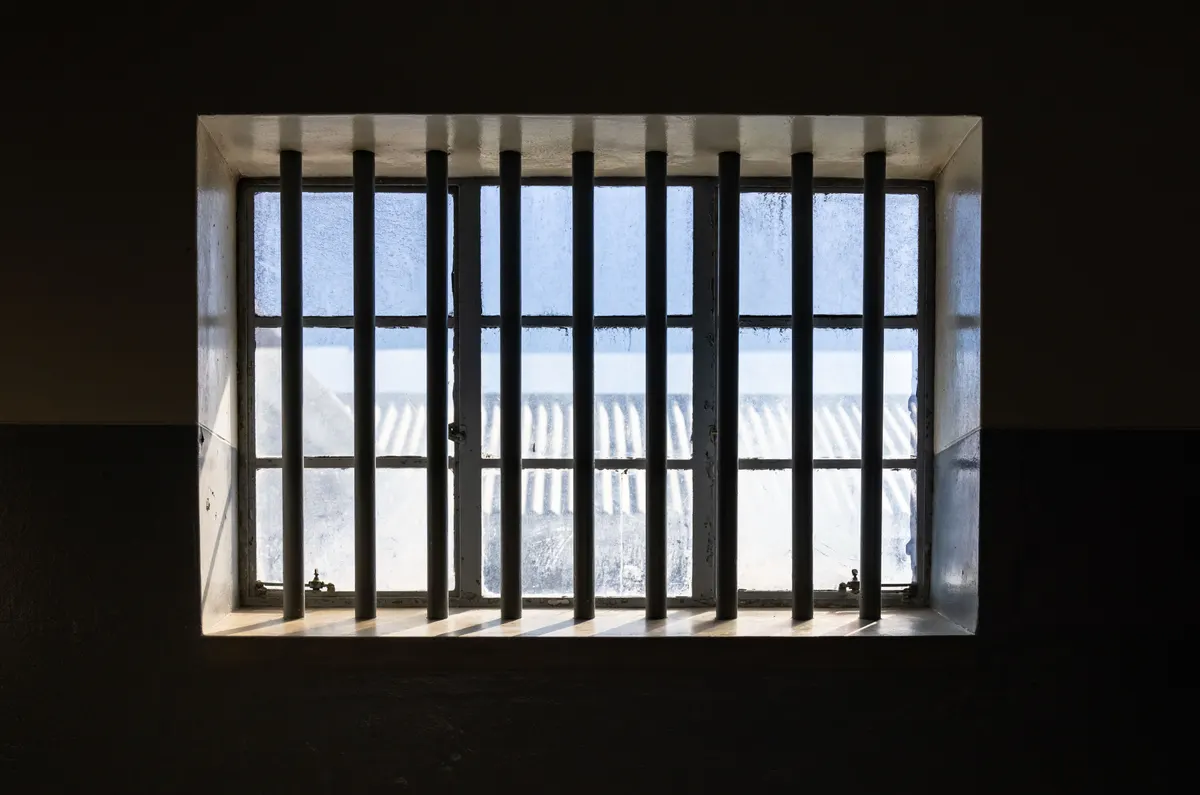
Key development: The Supreme Court, in Devilal Gond v. State of Chhattisgarh & Ors., 2026 INSC 1226, enhanced compensation from Rs 2 lakh to Rs 30 lakh for a man who remained in jail for over seven years after the High Court acquitted him, holding that wrongful incarceration violates Article 21 of the Constitution.
Outcome of the appeal
A Bench of Justices A.G. Masih and Sanjeev Sachdeva allowed the appeal on 16 November 2026 and raised the compensation awarded by the High Court on 1 May 2026. The amount is payable within four weeks. This is a final decision on quantum.
Facts and findings
Devilal Gond was arrested on 7 December 2012 and convicted on 14 August 2013. The High Court acquitted him on 20 January 2018, but it applied Section 437-A of the Code of Criminal Procedure, 1973 on the assumption that his sentence had been suspended. In fact he remained in jail and was released only on 19 May 2025. The High Court later awarded him Rs 2 lakh on 1 May 2026.
The Supreme Court treated this as a case of continued unlawful detention after acquittal, caused by an error in the record, and found the nominal award inadequate for the loss of liberty suffered.
Doctrinal point: Article 21 and compensation
The Court reiterated that compensation under public law is a remedy for infringement of the right to life and personal liberty. It relied on Sohan Singh @ Bablu (2025), where Rs 25 lakh was awarded, on Babloo Chauhan, and on the Law Commission of India's 277th Report on wrongful prosecution, to hold that the State must answer for the consequences of wrongful confinement.
The Court treated the length of the incarceration, the loss of livelihood and the stigma as relevant to quantum, and found Rs 2 lakh disproportionate to those factors.
Doctrinal point: structured payment
The Court directed that Rs 5 lakh be paid into a savings account and the balance placed in a fixed deposit supervised by the Secretary of the District Legal Services Authority. The structure protects the beneficiary from dissipation and ensures a steady income after years of confinement.
Relief and significance
Compensation was fixed at Rs 30 lakh. The Court also asked High Courts to consider safeguards so that errors of this kind, where acquittals are not followed by actual release, are caught early. Specific procedural directions are Not available in the verified source.
The decision adds to a developing body of authority on state liability for wrongful incarceration, even in the absence of a statute dealing with compensation for miscarriage of justice.
Why it matters for exams
Article 21 and compensatory jurisprudence are staple topics for constitutional law papers. This case ties them to criminal procedure and the Law Commission's recommendations.
- Compensation for violation of Article 21 is a public law remedy against the State.
- Rs 30 lakh was awarded, enhanced from Rs 2 lakh, with a DLSA-supervised fixed deposit.
- Section 437-A CrPC [Section 481 BNSS] concerns bail to appear before the higher court.
- The Law Commission's 277th Report on wrongful prosecution was cited.
Case Details
Case: Devilal Gond v. State of Chhattisgarh & Ors. Citation: 2026 INSC 1226 (decided 16 November 2026) Bench: Justice A.G. Masih and Justice Sanjeev Sachdeva Advocates: Abhinav Shrivastava, Advocate-on-Record, for the appellant; Atul Jha, AAG, for the State
Relevant Bare Act
Constitution of India, Article 21 (protection of life and personal liberty); Code of Criminal Procedure, 1973, Section 437-A [Bharatiya Nagarik Suraksha Sanhita, 2023, Section 481].
- Article 21
- Wrongful Incarceration
- Compensation
- Section 437-A CrPC
- Supreme Court