HC
Karnataka High Court Holds Compulsory Land Acquisition Is Not Taxable Supply Under GST, Orders Refund
Abhishek Nagle • Published • 3 min read
Key development: The Karnataka High Court, in Prakash v. The Deputy Commissioner, Mysore District, Mysore, held that compulsory acquisition of land is not a taxable supply under the Central Goods and Services Tax Act, 2017 and ordered refund of GST deducted from compensation, with interest recoverable personally from the officers responsible.
Outcome of the petition
Justice R. Nataraj allowed Writ Petition No. 26903 of 2026 (LA-RES) and quashed the award notice of 29 October 2024 to the extent of the GST deduction. The decision was reported on 24 November 2026. This is a final decision on the writ petition.
Facts and findings
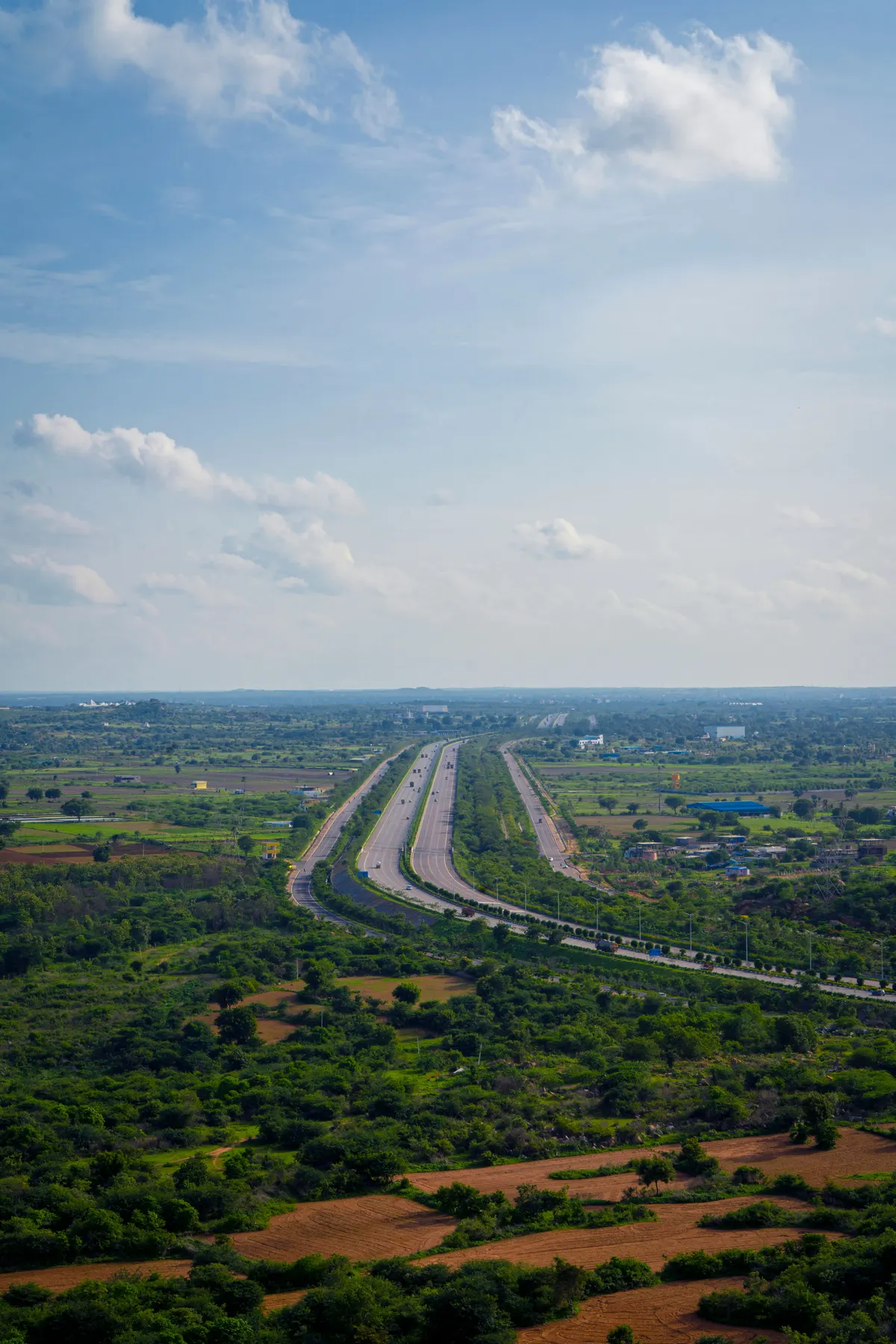
The petitioner's land measuring 1,187 square metres at Mellahalli, Periyapatna, was acquired for the Mysuru-Madikeri highway. The compensation was Rs 38,10,744.88, from which Rs 3,20,585.80 was deducted as GST at eighteen per cent.
The petitioner contended that a compulsory acquisition under statute is not a supply made by him, and that the State had no authority to recover GST from the compensation. The Court agreed.
Doctrinal point: acquisition is not a supply
Section 7 of the Central Goods and Services Tax Act, 2017 defines supply by reference to activities made for consideration in the course or furtherance of business. The Court reasoned that a landowner whose land is taken by the State under the power of eminent domain does not supply anything voluntarily. The transfer is by operation of law and the compensation is a statutory entitlement, not consideration for a supply.
The Court noted the view of the Madras High Court in M. Poomani (W.P. No. 3278 of 2024) on the same question.
Doctrinal point: interest on compensation
The Court also drew on the reasoning that interest payable under Section 28 of the Land Acquisition Act, 1894 forms part of compensation and does not attract tax deduction at source as though it were a commercial receipt. The reference was supportive of the broader point that acquisition compensation is not a commercial transaction.
Relief and significance
The Court directed refund of the amount deducted with interest at fifteen per cent per annum, to be recovered personally from the Special Land Acquisition Officer and the competent authority, and imposed costs of Rs 50,000. The personal recovery is notable and signals that unauthorised deductions from compensation carry consequences for the officers concerned.
The decision will matter to landowners across highway projects where GST has been deducted from compensation.
The ruling is a decision of a single judge of the High Court and is persuasive outside Karnataka. Whether the Union or the State will appeal, and the position under any departmental circular on GST for acquisition awards, is Not available in the verified source. Landowners whose awards carried a similar deduction may need to seek relief on the strength of this reasoning, since the order operates directly only between the parties.
Why it matters for exams
Indirect tax questions on the meaning of supply, and land acquisition compensation, appear in both tax and property law papers. This ruling links the two.
- Section 7 CGST Act, 2017 defines supply; compulsory acquisition by the State is not a supply by the owner.
- Interest at 15% per annum on refund, recoverable personally from the officers.
- Costs of Rs 50,000 were imposed.
- Madras High Court's M. Poomani (W.P. 3278/2024) was noted.
Case Details
Case: Prakash v. The Deputy Commissioner, Mysore District, Mysore Citation: W.P. No. 26903/2026 (LA-RES); 2026 LLBiz HC (KAR) 246 (reported 24 November 2026) Bench: Justice R. Nataraj Advocates: Narendra Gowda for the petitioner; Aditya Diwakar, AGA, for the State; N. Kumar for the other respondents
Relevant Bare Act
Central Goods and Services Tax Act, 2017, Section 7 (scope of supply).
- GST
- Section 7 CGST Act
- Land Acquisition
- Compensation
- Karnataka High Court