Schemes
Cabinet approves capital support for lithium and nickel processing plants
Nyaya Prep • Published • 1 min read
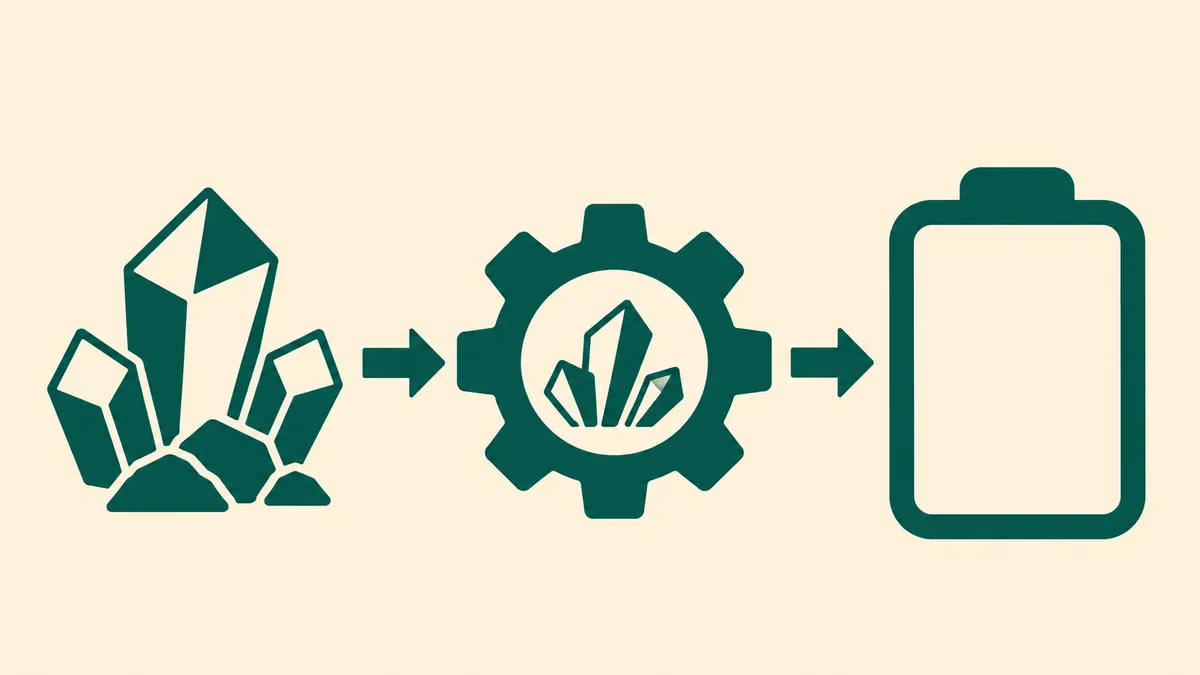
On 4 November 2026, the Union Cabinet approved a Rs 2,814 crore capital support programme for critical mineral processing. The scheme runs through financial years 2026–27 to 2030–31 and targets four plants: two for lithium and two for nickel. It provides a subsidy of thirty per cent of eligible investment, subject to separate beneficiary caps. Applicants must first qualify technically before competing in financial bidding. The policy aims to build domestic capacity for converting ores or intermediate products into high-purity compounds.
Facts to remember
- Scheme: Capex Support Scheme to Promote Critical Mineral Processing.
- Outlay: Rs 2,814 crore over financial years 2026–27 to 2030–31.
- Target: two lithium plants and two nickel plants; subsidy: 30% of eligible investment.
- Support caps: Rs 500 crore per lithium beneficiary and Rs 900 crore per nickel beneficiary.
Background
Critical minerals connect economic development, clean energy and national security because interruptions in their supply can affect strategic industries. India’s National Critical Mineral Mission addresses the wider value chain, including exploration, mining, beneficiation, processing and recovery from products at the end of their useful life. It also supports recycling and mineral technology research. Processing is consequently one stage of mineral security, rather than a substitute for securing raw materials. The distinction matters when reading this capital support decision: establishing processing facilities is different from discovering deposits or awarding mining leases. For an exam answer, connect domestic value addition with supply chain resilience while keeping the instrument, beneficiaries and approved expenditure separate from the broader mission’s objectives.
Why it matters for exams
For CLAT and UGC-NET Law, revise Economy, strategic resources and industrial policy. Remember the two minerals, four-plant target, subsidy percentage and separate financial caps.
- Critical minerals
- Lithium
- Nickel
- Capital subsidy
- Supply chains