SC
Supreme Court Orders Lawful Detentions and Normal Transport During Delhi Protests
Nyaya Prep • Published • Updated • 3 min read
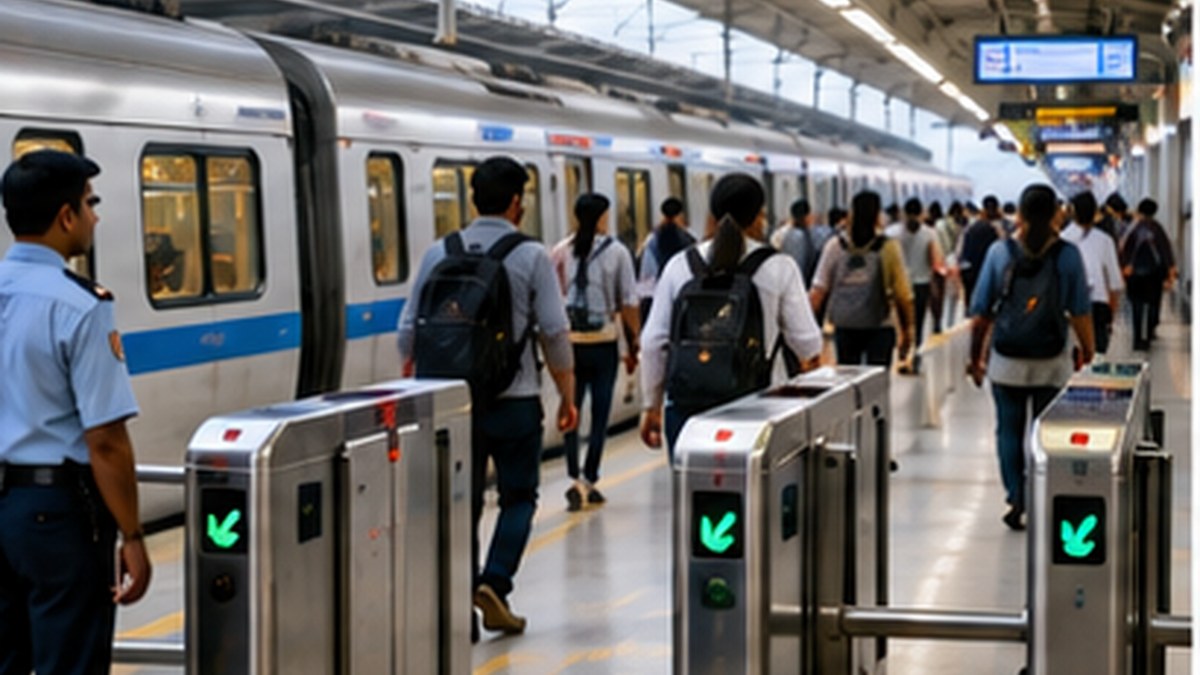
The Supreme Court directed Delhi authorities to avoid unlawful detentions, maintain normal metro and railway services, permit movement subject to lawful traffic controls, and leave internet access undisturbed during protests concerning the Chief Election Commissioner.
Background
A special Sunday Bench of Justices Joymalya Bagchi and V Mohana heard contempt and habeas corpus petitions after extensive restrictions and detentions were reported during demonstrations on 10 October 2026. One contempt petitioner alleged that metro stations remained closed despite an earlier Supreme Court direction against an outright transport shutdown. Petitioners also questioned police action against protesters and the practical obstruction of access to courts.
Legal issue
The proceedings required the Court to address the balance between peaceful assembly, personal liberty and public-order regulation. The Bench did not treat every allegation of police misconduct as proved. It instead asked authorities to account for the restrictions and the legal basis for any detention.
Court reasoning and significance
The Court directed that detention must follow the procedure established by law, particularly where peaceful and unarmed persons assemble outside the area covered by Section 163 BNSS. Metro and rail services must operate normally unless specific public-order circumstances justify lawful regulation. Barricades must be reviewed promptly, movement must remain possible subject to traffic rules, and internet facilities must remain undisturbed under applicable law. The Court also required removal of the Section 163 notice board around the Supreme Court so that access to justice was not impeded. The Solicitor General conveyed assurances regarding restored transport and connectivity and the ability of lawyers and journalists to work.
Decision and next step
On the contempt allegation, the Bench issued notice requiring the authorities concerned to file short affidavits explaining why contempt proceedings should not begin, along with a compliance report. This is a notice and interim regulation of conduct, not a final contempt finding. The directions remain subject to lawful public-order measures.
- Constitutional Rights and Public Order
- SC
- 2026-10-11