SC
Supreme Court Moves Custodial Torture Trial to Srinagar, Says Victims Have Fair Trial Rights
Abhishek Nagle • Published • 4 min read
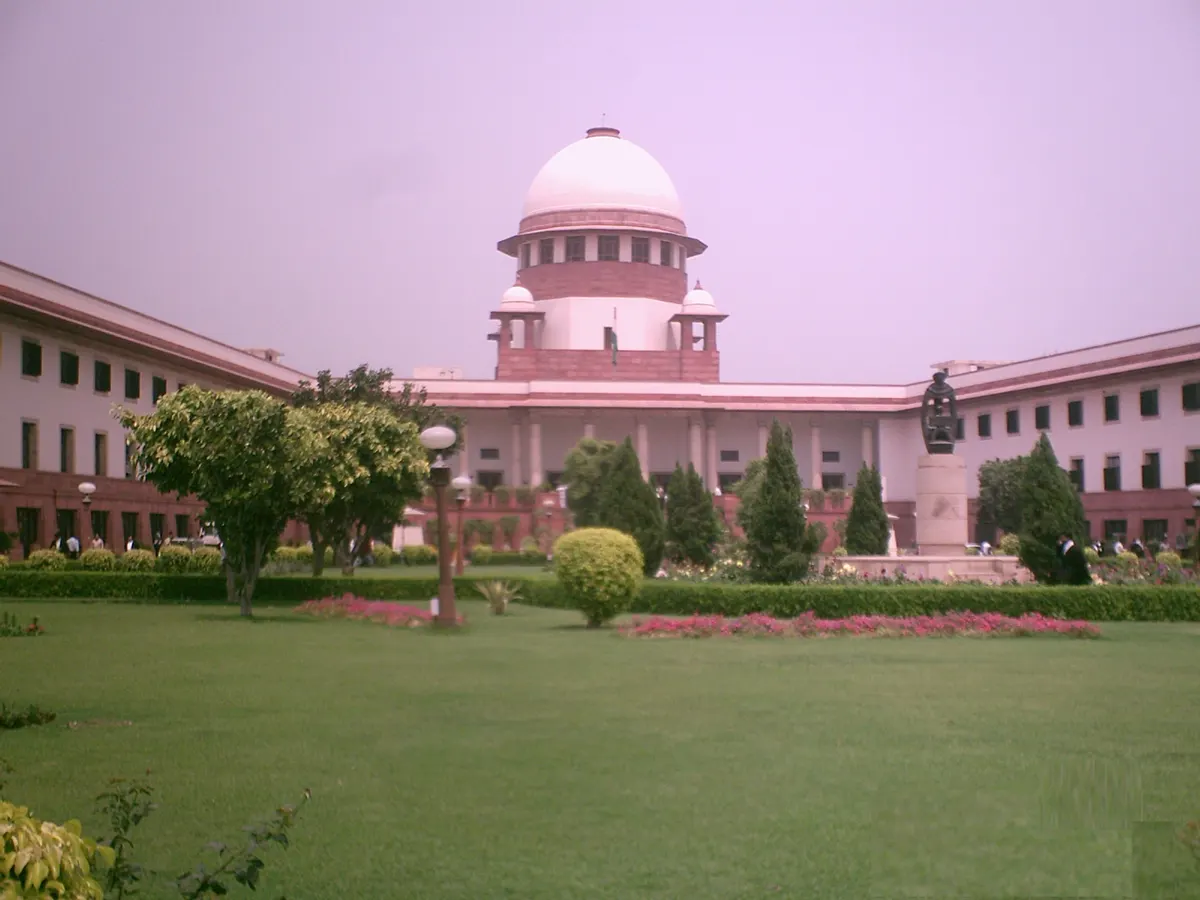
Key development: The Supreme Court has transferred the trial of a custodial torture case from the Sessions Court at Kupwara to Srinagar on the plea of the alleged victim, a police constable, holding that the right to a fair trial and the protection of Article 21 extend to the victim as much as to the accused.
Trial transferred to Srinagar
A Bench of Justice Vikram Nath and Justice Aparesh Kumar Singh allowed the appeal of Khursheed Ahmad Chowhan against the Union Territory of Jammu and Kashmir and others and transferred the trial from Kupwara to Srinagar. The trial court was directed to complete the trial within two years.
This is an order on a transfer plea and not a decision on the guilt of the accused. The date of the order is Not available in the verified source, and the report is dated 26 November 2026.
Facts: custodial violence and a CBI investigation
The appellant is a police constable who alleged custodial torture and brutality so severe that he had to undergo surgery. In July 2025 the Supreme Court directed the Central Bureau of Investigation (CBI) to investigate the allegations of custodial violence and illegal detention. The CBI registered an FIR and filed a charge-sheet under Sections 120B, 323, 325, 330, 331 and 343 of the Indian Penal Code, 1860 [Sections 61, 115(2), 117(2), 120(1), 120(2) and 127(3) of the Bharatiya Nyaya Sanhita, 2023]. The case was committed to the Sessions Court, Kupwara. These are allegations and have not been tried.
The appellant then asked the Jammu and Kashmir and Ladakh High Court under Section 447 of the Bharatiya Nagarik Suraksha Sanhita, 2023 [Section 407 of the Code of Criminal Procedure, 1973] to transfer the proceedings to Srinagar. The High Court refused, and he approached the Supreme Court. The accused persons are presently on bail.
The Supreme Court noted that the appellant had already faced considerable hardship. He had to come to the Supreme Court to get the investigation handed to an independent agency, and he had struggled to get his complaint registered and fairly investigated.
The victim and the right to a fair trial
The Court said that the circumstances in which the appellant was forced to seek a transfer could not be viewed in isolation. It observed that the physical and psychological trauma of custodial violence is considerable and that no amount of money can undo the suffering or the indignity.
The Court held that the right to a fair trial is not confined to the accused alone, and that the protection of Article 21 of the Constitution extends to the victim as much as to the accused. It found that the prospect of travelling between Kupwara and Srinagar to attend the proceedings, along with the anxiety of facing the very persons accused of the brutality, deserved due consideration. This concern carried greater weight because the accused were on bail.
Balancing the rights of all stakeholders
The Court added that the rights of the accused must remain fully protected, but that it could not ignore the hardship the victim is likely to face during the proceedings. A fair trial must be understood in a way that secures justice for all stakeholders and does not place avoidable hardship on the victim, where an appropriate transfer order can reasonably relieve it.
The detailed legal test applied under Section 447 BNSS, and any precedents relied on, are Not available in the verified source. On these grounds the Bench transferred the case to Srinagar in the interests of justice.
Relief and practical significance
The trial now moves to Srinagar, and the trial court has a two-year limit to complete it. For victims of custodial violence, the order shows that avoidable hardship and fear of facing the accused can be weighed when a transfer is sought. For the accused, the order records no finding on the charges and leaves the trial to decide them.
The decision is by a two-judge Bench and rests on the facts of the case. It does not lay down that every victim can obtain a transfer of trial on request.
Why it matters for exams
Relevant for Judiciary, CLAT PG, APO, AIBE and UGC-NET Law aspirants studying criminal procedure and fundamental rights. Revision pointer: the right to a fair trial under Article 21 belongs to the victim as well as the accused, and a trial can be transferred to avoid avoidable hardship to the victim.
- Revise Section 447 BNSS [Section 407 CrPC] on transfer of cases and grounds for transfer.
- Revise Article 21 and the idea of a fair trial for all stakeholders.
Case Details
Case: Khursheed Ahmad Chowhan v. Union Territory of J and K & Ors. (case number Not available in the verified source) Citation: 2026 LiveLaw (SC) 1208; reported on 26 November 2026 (neutral citation Not available in the verified source) Bench: Justice Vikram Nath and Justice Aparesh Kumar Singh Advocates: For the appellant: Mr. Fuzail Ahmad Ayyubi, AOR, and others; for the respondents: Mr. Davinder Pal Singh, ASG, and others
Relevant Bare Act
Bharatiya Nagarik Suraksha Sanhita, 2023, Section 447 [Code of Criminal Procedure, 1973, Section 407]; Indian Penal Code, 1860, Sections 120B, 323, 325, 330, 331 and 343 [Bharatiya Nyaya Sanhita, 2023, Sections 61, 115(2), 117(2), 120(1), 120(2) and 127(3)]; Constitution of India, Article 21.
- Custodial Torture
- Transfer of Trial
- Section 447 BNSS
- Article 21
- Rights of Victim
- Supreme Court