Environmental Law
Sikkim High Court Urges Early Warning Systems for Forty High Risk Glacial Lakes
Nyaya Prep • Published • 4 min read
What the High Court directed
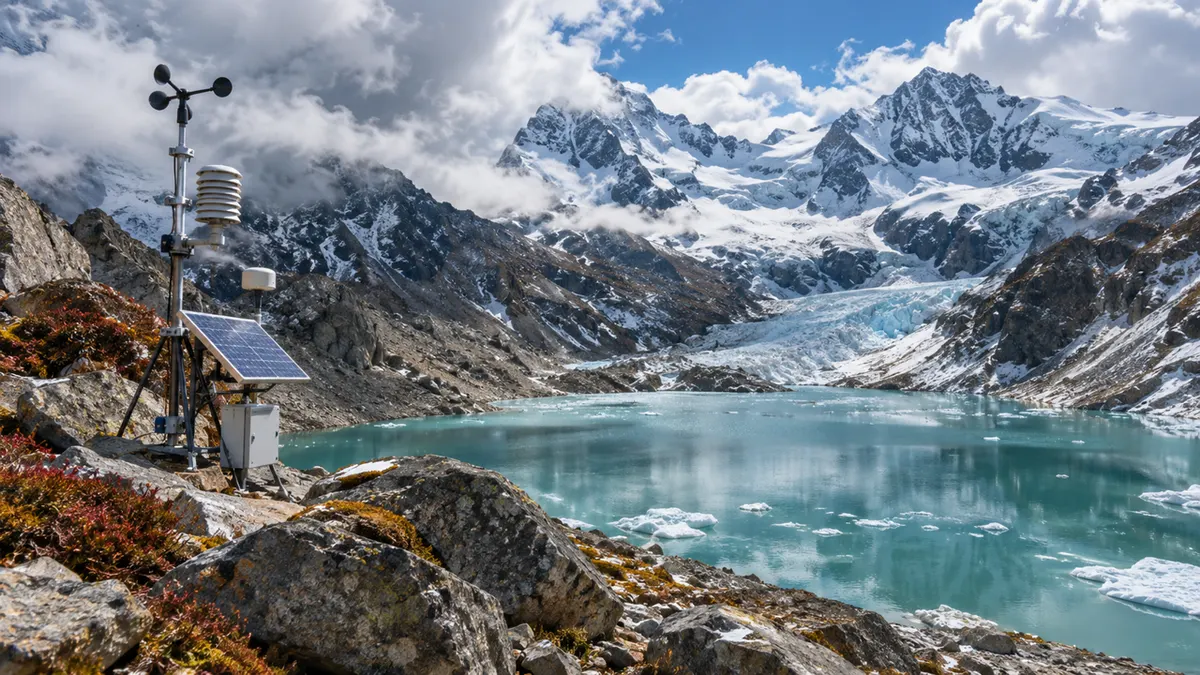
The Sikkim High Court has called upon the State and Union governments to take immediate steps towards procuring and installing early warning systems for glacial lake outburst floods. In a proceeding concerning climate justice, the Division Bench of Chief Justice A. Muhamed Mustaque and Justice Bhaskar Raj Pradhan identified disaster preparedness around forty high risk glacial lakes as an immediate issue. The Court did not declare that the warning systems were already installed or prescribe a completed procurement timetable. It sought a response on action taken by the next hearing.
The forty lakes and proposed coordination mechanism
The Court referred to a notification of the State Home Department dated September 11, 2024, and an affidavit of the Sikkim State Disaster Management Authority filed on October 30, 2026. Those materials referred to a National Disaster Management Authority report identifying forty high risk glacial lakes. Amicus curiae Sudhir Mishra proposed a State Nodal Officer within the disaster management authority to coordinate preparedness for these lakes. Four additional nodal officers, each responsible for ten lakes, were also suggested. Their contemplated responsibilities included monitoring, early warning, assessing exposed populations and collecting information from government departments.
Proposal distinguished from a binding appointment
The Bench agreed with the broad suggestion but expressly gave the State an opportunity to consider it and take proactive steps if such steps had not already been taken. This distinction matters: the order should not be reported as an immediate appointment of five officers. The State may file its response by the next posting. The Court also noted that Himachal Pradesh, Uttarakhand and Bhutan had installed warning systems for glacial lake outburst flood risks, and pressed the governments to act to prevent a recurrence of the October 2023 Sikkim disaster.
Central authorities brought into proceedings
The Court impleaded the Secretary of the Ministry of Earth Sciences and the National Disaster Management Authority through its Secretary as respondents. It directed the Deputy Solicitor General of India to take notice on behalf of the newly added parties. This expands the institutional participants in the litigation without itself determining legal liability for any past disaster. The Court also asked the State to explain steps taken by the High Level Steering Committee, Multi Disciplinary Task Force and Sikkim Commission on Glacial Hazards, bodies described in materials already before it.
Climate effects on black cardamom
A separate issue arose from a newspaper report dated October 11, 2026 concerning falling black cardamom production in Sikkim. The report associated changing weather, warmer winters and unpredictable rainfall with pressures on plantations, while also referring to soil health, plant genetics and other interacting factors. The Bench treated climate related agricultural risk as a matter deserving attention but did not independently adjudicate the scientific causes of declining yields. It sought the State Government's response on its Mero Alaichi, Mero Dhan initiative and on the suggestions in the amicus note dated October 31.
Scope of the order and next steps
The Geological Survey of India's status report dated November 5 concerning natural hazards in Sikkim was taken on record for further consideration. The order therefore combines immediate disaster risk concerns with requests for institutional accountability and additional information. It does not resolve the public interest litigation finally. At the next hearing the State is expected to address warning system acquisition, possible coordination arrangements, committee activities and the cardamom initiative. The matter is listed for November 18, 2026. The practical significance lies in judicial scrutiny of preparedness before a disaster, while preserving space for executive agencies to present concrete measures.
Why the distinction matters
A glacial lake outburst can threaten settlements and infrastructure downstream, making advance detection and communication central to risk reduction. The order's language is carefully calibrated. It urges prompt government action, accepts impleadment of relevant central bodies and calls for information, but leaves the precise administrative design for the State to consider. Readers should distinguish an amicus proposal, the Court's expression of agreement, a direction to respond and a final mandatory implementation order. The present proceeding remains at a monitoring and response stage, with further judicial consideration scheduled.
Case: In Re: Climatic Justice in the State of Sikkim, WP(PIL) No. 11 of 2026
Citation: Not available
Bench: Chief Justice A. Muhamed Mustaque and Justice Bhaskar Raj Pradhan
Advocates: Sudhir Mishra, Doma T. Bhutia and T. R. Barfungpa among the amici curiae; additional counsel appeared for respondents.
No specific statutory section was relied upon in the verified operative directions.
- Sikkim High Court
- Climate Justice
- Glacial Lakes
- Disaster Preparedness