SC
Order VII Rule 11 CPC: Document Admissibility Must Be Decided at Trial, Supreme Court Says
Nyayavat • Published • Updated • 3 min read
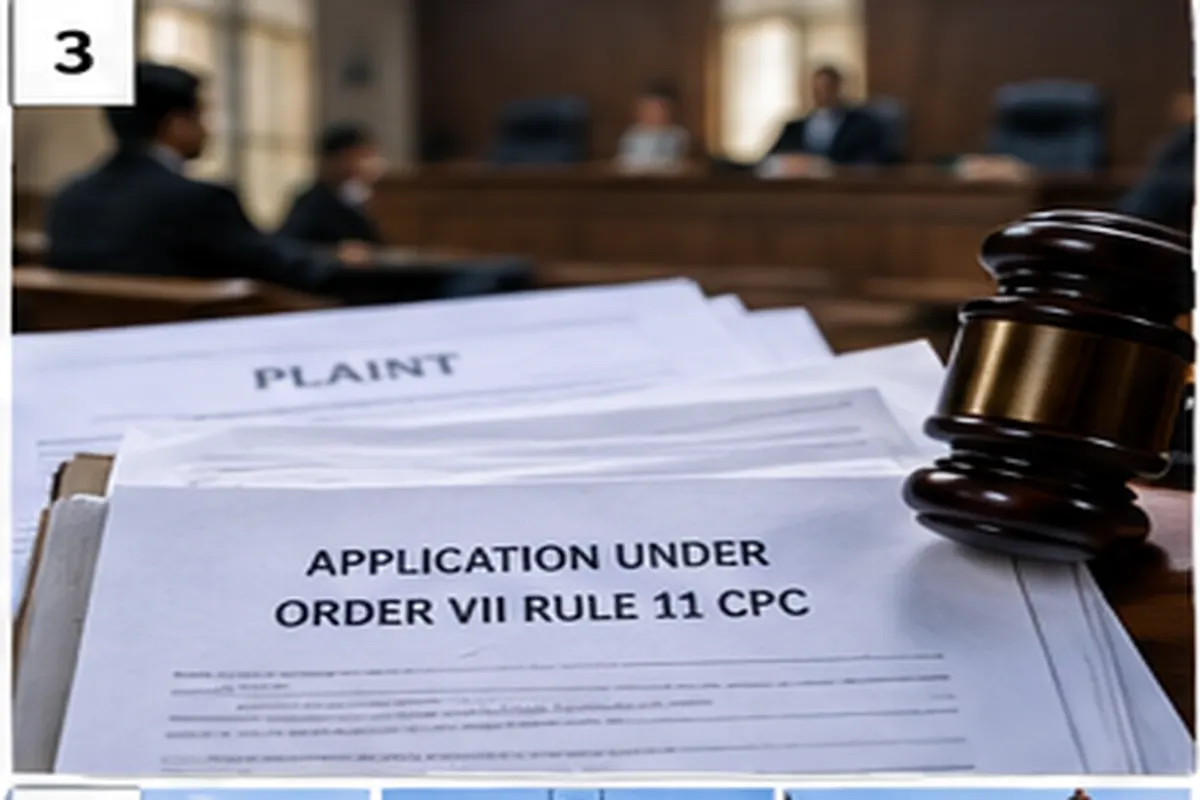
The Supreme Court has clarified that the admissibility of a document relied upon by a plaintiff cannot be finally decided while considering an application for rejection of the plaint under Order VII Rule 11 of the Code of Civil Procedure, 1908.
Background
The case arose from an eviction suit. The defendants argued that the suit depended upon an unregistered supplementary lease deed and that the plaint should therefore be rejected. The Patna High Court treated the document as inadmissible and remanded the matter.
The Supreme Court described rejection of a plaint as a drastic threshold power. At this stage, the court examines the plaint and the documents accompanying it to determine whether a cause of action is disclosed or whether the suit is barred by law. A detailed evidentiary enquiry is not contemplated.
Court's reasoning
The Bench also referred to Section 49 of the Registration Act, 1908. While an unregistered document that requires registration ordinarily cannot affect immovable property or prove the transaction, the proviso permits its use for certain collateral purposes.
Whether that exception applies depends on the purpose for which the document is tendered and the evidence led at trial. The High Court therefore acted prematurely in deciding admissibility while considering rejection of the plaint.
Result and practical significance
The Supreme Court restored the suit and directed the trial court to decide it on merits without being influenced by the earlier observations.
Case: Sheo Kumar Singh & Others v M/s Sharda Educational Society & Others
Bench: Justice Ujjal Bhuyan and Justice Atul S. Chandurkar
Advocates: Senior Advocates Niraj Kishan Kaul and Krishnan Venugopal for the appellants; Senior Advocate Gagan Gupta for the defendants.
Source: Read source report
- Supreme Court
- Order VII Rule 11 CPC
- Registration Act
- Rejection of Plaint
- Evidence