HC
Karnataka High Court Quashes Wildlife Case Against King Cobra Rescuer
Nyaya Prep • Published • Updated • 4 min read
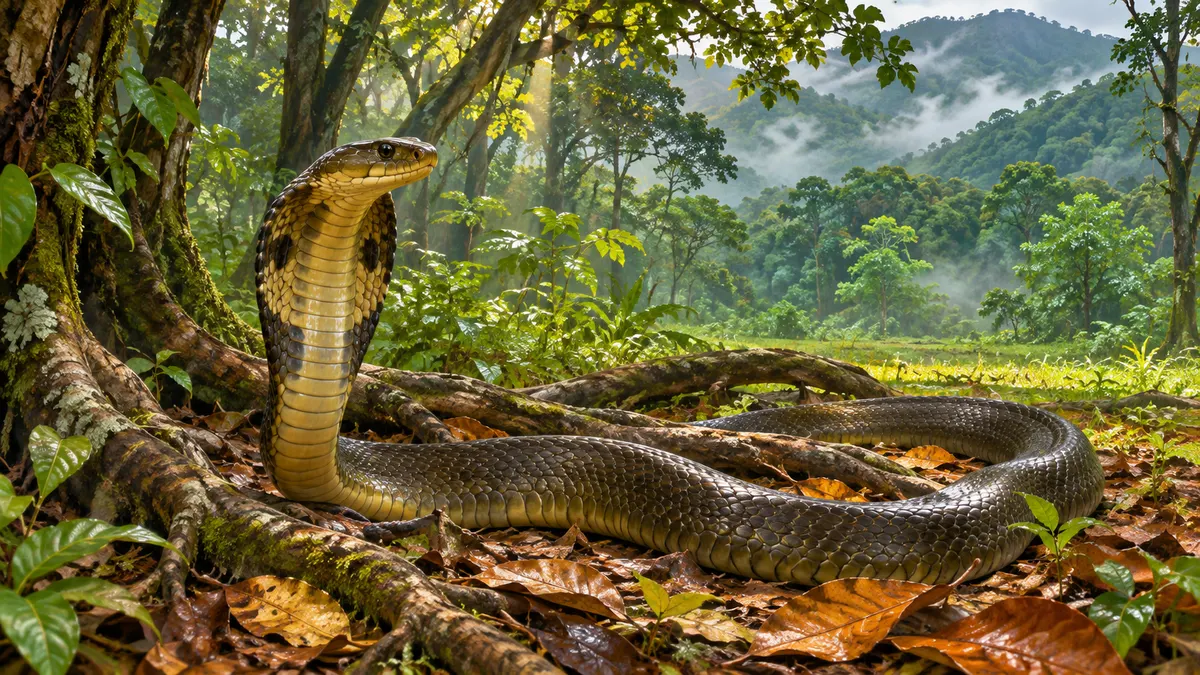
Prosecution ended after examination of the record
The Karnataka High Court has quashed criminal proceedings against snake rescuer Dr. P. Gowri Shankar in a case concerning a king cobra depicted in photographs and a video circulated on social media. Justice Anant Ramanath Hegde held that the material did not justify treating the petitioner as having committed the alleged wildlife offences. The order was delivered on 2 November 2026 and reported on 13 November. It sets aside the prosecution pending before the Senior Civil Judge and Judicial Magistrate First Class at Thirthahalli, rather than announcing a general exemption from wildlife law.
Complaint relied on photographs and a video
The Range Forest Officer, Agumbe Range, Megaravalli, had lodged a complaint in September 2025. The allegation was that Shankar had captured a king cobra, photographed it while in captivity and permitted others to photograph it. The case became Criminal Case No. 414 of 2026. The petitioner approached the High Court after cognizance was taken. The prosecution relied on a social-media publication in which he appeared in a video uploaded by another person. The existence of that material did not remove the need to connect the petitioner to the conduct prohibited by the provisions invoked.
The petitioner's explanation
Shankar's counsel submitted that the charge-sheet materials did not establish hunting or capture of the snake. The photographs, he argued, showed the animal in an open forest, not in captivity. Counsel also referred to his work rescuing snakes from places where they had entered and reporting those rescues to the jurisdictional forest officials. He submitted that no king cobra had been recovered from his custody and that only a rescue bag and hook had been recovered. Those submissions formed part of the challenge; the Court's ultimate conclusion followed its own examination of the complaint and records.
The State defended continuation
The Additional State Public Prosecutor maintained that the materials indicated the petitioner allowed others to photograph the king cobra and caused images and video to be uploaded on social media. The State argued that this amounted to an offence. That position was contested by the petitioner and was not accepted merely because images had been published. The High Court considered what the photographs actually depicted, where they originated and which conduct could be attributed to Shankar. The case illustrates the distinction between an accusation associated with online material and evidence sufficient to sustain the alleged statutory wrongdoing.
Why the High Court intervened
Justice Hegde noted that the State was unable to substantiate that the petitioner had actually captured the snake. The photographs accompanying the charge sheet showed the king cobra in an open space in the forest. The Court also observed that the allegations did not attribute keeping the animal in captivity, killing or injuring it, or uploading the photograph to the petitioner. The photographs were found on social media and had not been recovered from him. In addition, the charge-sheet material recorded repeated reports by Shankar to the jurisdictional forest officers about rescued king cobras.
Effect and limits of the relief
On that record, the Court concluded that the alleged offences were not made out against the petitioner and allowed the criminal petition. It quashed the proceedings in Criminal Case No. 414 of 2026. The practical significance is evidentiary: prosecution under wildlife legislation must be supported by material establishing the alleged prohibited acts and their connection to the accused. The decision should not be read as permission to capture protected wildlife for photographs, retain animals unlawfully or disregard required authorisations. Those questions would depend on the governing provisions and facts of another case. Here, the Court found that this particular record did not sustain the prosecution. The order also separates the contents of the online publication from possession of an animal or responsibility for publishing the material. That distinction matters when images depict an accused person but the prosecution still needs to establish who performed the act alleged to violate the law.
Case Details
Case: Dr. P. Gowri Shankar v. State of Karnataka, Criminal Petition No. 13723 of 2026
Citation: 2026:KHC:60948
Bench: Justice Anant Ramanath Hegde
Decision: 2 November 2026
Advocates: Akshay Swamy for the petitioner; M.V. Anoop Kumar, Additional State Public Prosecutor, for the State.
Relevant Bare Act
Wild Life (Protection) Act, 1972: Sections 9, 50, 51, 55 and 57 were among the provisions recorded in the challenged proceedings. The order also prints a composite definitional reference as Section 2(1)(16), which is not used here as a verified standalone statutory mapping. Code of Criminal Procedure, 1973: Section 482; the petition is described as filed under Bharatiya Nagarik Suraksha Sanhita, 2023, Section 528.
- Current Legal Affairs
- High Court
- Code of Criminal Procedure
- Bharatiya Nagarik Suraksha Sanhita
- Legal Updates