Consumer Protection
CCPA Penalises Ola Over Misleading Advance Tipping Prompts and Orders Practice Stopped
Nyaya Prep • Published • Updated • 5 min read
Consumer authority orders change
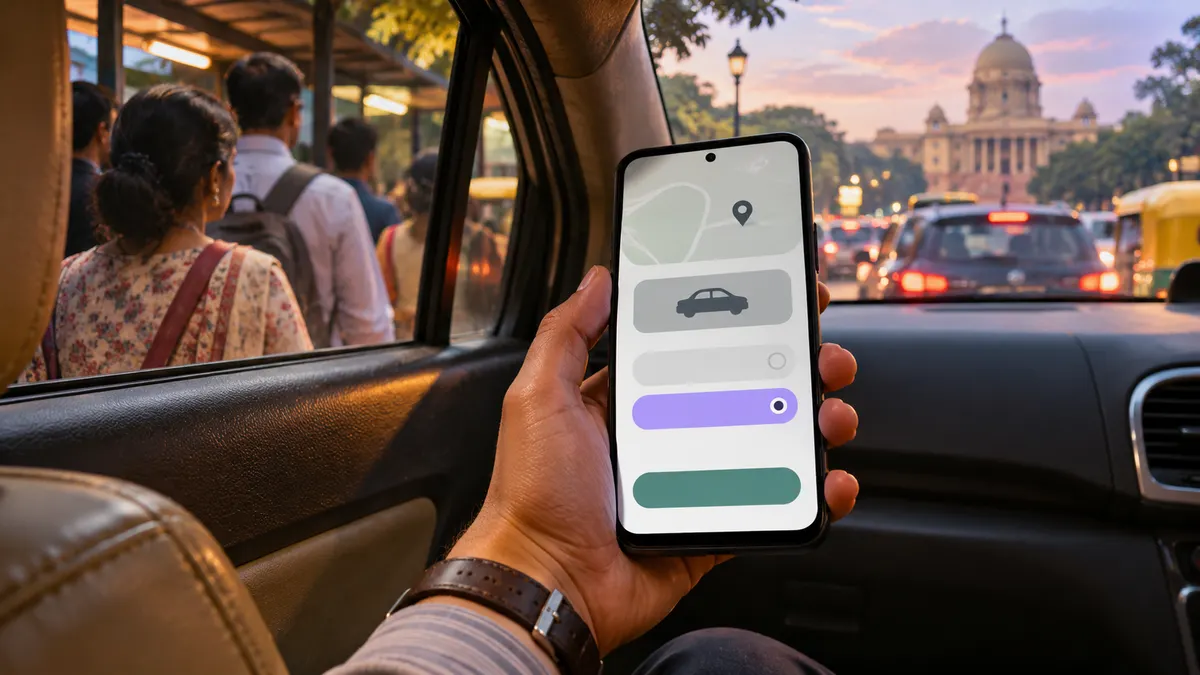
The Central Consumer Protection Authority has imposed a penalty of Rs 10 lakh on ANI Technologies Private Limited, operator of the Ola ride-hailing platform, and directed it to discontinue advance tipping prompts that encouraged customers to pay extra before a driver accepted their booking. The decision, made on 10 November 2026 by Chief Commissioner Nidhi Khare and Commissioner Anupam Mishra, treats the interface as a misleading advertisement, an unfair trade practice and an unfair contract under the Consumer Protection Act, 2019. It also addresses the use of a prohibited dark pattern. The direction concerns a particular pre-booking practice, rather than all voluntary tips paid to drivers.
How the dispute arose
The proceedings followed a consumer complaint received in May 2025. While passengers waited for confirmation, the application suggested that an additional payment might improve the prospect of getting a ride sooner. The initial selectable amounts reportedly ranged from Rs 10 to Rs 40, but the authority found that the interface later permitted additions reaching Rs 499. The crucial feature was the timing of the solicitation. A passenger was being invited to part with money before a driver had accepted the journey, when the passenger could not independently establish whether the payment would actually improve allocation.
The company’s response
Ola maintained that the additional payment was optional and would go directly to the driver without a deduction by the platform. It argued that an incentive might help persuade drivers to accept less attractive requests, including journeys requiring a comparatively long approach to the passenger. The company also said that paying an additional amount did not guarantee quicker confirmation. These positions were submissions advanced by the company. They should not be confused with findings accepted by the regulator, which examined whether the actual representation to consumers was supported by the available data.
What the evidence showed
The authority examined acceptance figures that cut against the suggestion that advance payments improved booking success. In Delhi, approximately 32 per cent of requests with an add-on were accepted, compared with 68 per cent of requests without one. In Bengaluru, the reported figures were 39 per cent and 68 per cent respectively. Those comparisons do not by themselves establish every possible cause of a booking outcome, but they were material to the authority’s assessment of the claim made to consumers. A customer encountering the prompt could reasonably understand that paying more would improve the chances of obtaining a ride. The regulator found no adequate basis for presenting that advantage as real.
Why the representation was misleading
The CCPA identified a contradiction in the company’s position. If the extra amount did not influence assignment, a suggestion that it improved the chance of acceptance lacked support. Conversely, if the amount did influence assignment, passengers declining to pay could be disadvantaged while seeking the service at the originally displayed fare. The authority concluded that the interface was misleading on either footing. It also distinguished a conventional gratuity, ordinarily given in appreciation of a service, from a payment solicited before any booking was confirmed. The distinction matters because a payment labelled as a tip may operate as a pressure tactic if the interface associates it with the prospect of obtaining an essential part of the service.
Dark patterns and consumer choice
The decision also considered the Guidelines for Prevention and Regulation of Dark Patterns, 2023. The authority characterised the feature as confirm shaming, a design practice that can pressure users into selecting a commercially preferred option. It rejected the suggestion that the conduct became harmless merely because not every customer complied. The issue was the design and the impression created at the decision point, not simply the proportion of passengers who ultimately paid. This reasoning has significance beyond ride-hailing: digital marketplaces must examine how prompts, default choices and claims about preferential treatment affect informed consumer consent.
Operative directions and next steps
The authority directed the company to discontinue prompts, messages and interface designs that psychologically pressured customers to make advance payments before ride confirmation. It also required compliance with the applicable consumer protection guidelines and a compliance report within fifteen days. The reported order imposes a Rs 10 lakh penalty. It does not establish that every tip to a driver is unlawful, nor does it decide individual passenger refund claims in this proceeding. Implementation and any subsequent legal challenge must be assessed separately from the operative findings recorded in the order.
Practical significance
The central legal lesson is that a platform cannot justify a potentially misleading interface solely by describing the payment as voluntary. Regulators may assess what the design communicates, whether the promised advantage is borne out by data, and whether a customer is pressured into paying for access to the service at the quoted price. For passengers, the decision highlights the importance of distinguishing genuine optional gratuities from pre-service charges framed as a way to improve the chances of booking. For platforms, it underscores the need to substantiate performance claims and remove coercive interface elements.
Case: CCPA proceedings against ANI Technologies Private Limited
Authority: Chief Commissioner Nidhi Khare and Commissioner Anupam Mishra
Advocates: Karun Mehta and Yugam Taneja reported for Ola
Consumer Protection Act, 2019; specific provisions not independently verified. Guidelines for Prevention and Regulation of Dark Patterns, 2023.
Source: barandbench.com
- CCPA
- Ola
- Consumer Protection
- Dark Patterns